Lemon Lavender Cake with Fresh Ingredients and Flavor

“Enjoy a delightful Lemon Lavender Cake made with fresh lavender and citrus zest. Perfect for dessert lovers, this recipe yields 8 servings.”
The first time I tasted Lemon Lavender Cake, I was at a quaint little café tucked away in a garden. The moment that slice hit my tongue, with the bright citrus and subtle floral notes dancing together, I knew I had to recreate it in my own kitchen. The Lemon Lavender Cake is not just a dessert; it’s a memory wrapped in flavor, perfect for bringing a bit of sunshine into everyday life.
What sets this recipe apart is the use of fresh ingredients, allowing the vibrant lemon and fragrant lavender to shine through. Each bite is like a gentle breeze on a warm day, making it a perfect choice for celebrations or simply a cozy afternoon treat.
Why This Recipe Works
Ingredients
What You'll Need
- 1.5 cups all-purpose flourUse a high-quality brand for the best texture; you can substitute with cake flour for a lighter cake.
- 1 cup granulated sugarGranulated sugar works best for sweetness; you can use coconut sugar for a deeper flavor, but it will darken the cake.
- 0.5 cups unsalted butter, softenedEnsure it's at room temperature for easy creaming; you can substitute with vegan butter for a dairy-free option.
- 2 large eggsRoom temperature eggs help with even mixing; for a vegan version, use flax eggs (2 tablespoons ground flaxseed mixed with 6 tablespoons water).
- 0.5 cups buttermilkThis adds moisture and tang; you can mix regular milk with a tablespoon of vinegar or lemon juice as a substitute.
- 1 tablespoon fresh lavender budsFresh buds provide the best aroma; if unavailable, dried lavender works well but use less as it’s more potent.
- 1 tablespoon lemon zestAlways use zest from a fresh lemon for vibrant flavor; bottled lemon zest lacks freshness and intensity.
- 1 teaspoon baking powderMake sure it’s fresh for optimal rise; baking soda can be used in double the amount when paired with an acidic ingredient.
- 1 teaspoon baking sodaThis helps the cake rise; you can replace it with additional baking powder (2 teaspoons) if necessary.
- 1 teaspoon saltA pinch of salt enhances all the flavors; keep it in the mix for balance.
- 1 cup powdered sugarEssential for the glaze; you can blend granulated sugar in a blender for a quick homemade version.
- 2 tablespoons lemon juiceFreshly squeezed is the way to go for vibrant acidity; bottled lemon juice is more sour and less fragrant.
- 1 teaspoon lavender extractThis adds a deeper lavender flavor; if you can’t find it, use more fresh lavender buds instead.
When shopping for ingredients, I recommend looking for organic options where possible, especially for the lemons and lavender. For lavender, I often prefer culinary-grade varieties for the best flavor. Brands like McCormick or Simply Organic are great for extracts and spices!
Easy Substitutions
- Dairy-free: Substitute unsalted butter with vegan butter and buttermilk with a plant-based milk mixed with vinegar. This will change the cake's richness but keep it moist.
- Gluten-free: Swap all-purpose flour with a gluten-free blend. The texture might be slightly different, so adding an extra egg can help maintain moisture.

How to Make This Recipe
Preparation Phase
Start by preheating your oven to 350°F (175°C). This ensures that the cake rises properly and bakes evenly. You’ll know it’s ready when the oven feels warm and inviting.
Next, grease a 9-inch round cake pan. This step is crucial to prevent the cake from sticking. I like to use butter for flavor, but cooking spray works too. Make sure it’s evenly coated.
In a large mixing bowl, cream together softened butter and granulated sugar until the mixture is light and fluffy, about 3-5 minutes. You’ll want it to look pale and airy; the sound of the mixer should be a steady hum, almost relaxing.
Add the eggs one at a time, mixing well after each addition. This helps to incorporate air into the batter and creates a lovely texture. You’ll notice a richer color as the eggs blend in.
Stir in the buttermilk, lemon zest, and lavender buds. The aroma will be absolutely delightful; it’s like spring in a bowl! The acidity from the buttermilk also helps the cake rise beautifully.
Baking Phase
In another bowl, whisk together flour, baking powder, baking soda, and salt. This ensures that your dry ingredients are evenly distributed, which is key for a well-risen cake. The flour should look fluffy and light.
Gradually sift the dry ingredients into the wet mixture, mixing until just combined. Be careful not to overmix; you want a smooth batter without lumps. If it looks too thick, add a splash more buttermilk.
Pour the batter into your greased pan and smooth the top with a spatula. The batter should be thick and creamy, and the surface should look even. Pop it in the oven and bake for 25 to 30 minutes.
Check for doneness by inserting a toothpick into the center of the cake; it should come out clean. The cake should be golden brown on top and smell wonderful. If you see any batter on the toothpick, give it a few more minutes.
Finishing Touches
Let the cake cool in the pan for about 10 minutes. It will settle slightly, and you’ll hear a gentle crackle as it cools. After that, transfer it to a wire rack to cool completely.
While the cake cools, prepare the glaze by mixing powdered sugar, lemon juice, and lavender extract in a small bowl until smooth. It should be glossy and pourable, perfect for drizzling.
Once the cake is completely cool, drizzle the glaze over the top, allowing it to cascade down the sides. It should look beautiful and inviting. Serve slices of your
Tips & Tricks
Choose Fresh Lavender for the Best Aroma
When it comes to infusing flavor into your Lemon Lavender Cake, fresh lavender is the way to go. I learned this the hard way after using dried lavender from the pantry, which didn’t have the vibrant aroma I was hoping for. If you can, pick up some fresh buds from your local farmer's market or grocery store. The scent alone will enhance your baking experience!
Master the Egg Temperature
Using room temperature eggs is crucial for a light and airy cake. I once made the mistake of adding cold eggs straight from the fridge, and my cake turned out denser than I wanted. To avoid that, simply take your eggs out about 30 minutes before you begin mixing. You’ll be amazed at the difference this small step makes in texture!
Experiment with Citrus Zest
While lemon zest is the star of this cake, don’t shy away from adding a bit of orange or grapefruit zest for a unique twist. I tried it once and was blown away by how the citrus notes complemented the lavender. Just a teaspoon of another zest can create a whole new depth of flavor without overpowering the cake.
Pro Tips
Not all lavender is created equal! Make sure you're using culinary lavender, which is specifically grown for consumption. This type has a sweeter, more subtle aroma and flavor, perfect for baking without overpowering your cake.
Sifting flour, baking powder, and baking soda not only removes lumps but also aerates the mixture. This results in a lighter texture for your Lemon Lavender Cake. It's a small step that can make a big difference in the final outcome!
Once your cake is baked, let it cool in the pan for about 10 minutes before transferring it to a wire rack. Cooling completely is essential to prevent the frosting from melting into a gooey mess and will help maintain the cake's beautiful structure.
Variations & Customizations
Flavor Twists
Rosemary Lemon Lavender Cake
Swap in 1 tablespoon of finely chopped fresh rosemary in place of the lavender buds. The result is a beautiful, aromatic cake with a unique herbal note that pairs surprisingly well with the citrus. The rosemary adds an earthy depth, making it perfect for a sophisticated afternoon tea.
Blueberry Lemon Lavender Cake
Add 1 cup of fresh blueberries to the batter, folding them in gently after mixing. The blueberries burst as they bake, creating juicy pockets of flavor that complement the lemon and lavender beautifully. The cake takes on a lovely purple hue and a sweet-tart flavor that’s simply delightful.
Seasonal Versions
Spiced Autumn Lemon Lavender Cake
Incorporate 1 teaspoon of ground cinnamon and 1/2 teaspoon of nutmeg into your dry ingredients. This variation brings a warm, cozy vibe to the cake, perfect for fall gatherings. The spices blend smoothly with the lemon and lavender, making each bite comforting and aromatic.
Holiday Citrus Lavender Cake
Use the zest of one orange along with the lemon zest to brighten the cake. The combination of citrus flavors gives a festive twist, while the lavender remains subtle. This variation looks stunning when garnished with candied orange slices on top, making it a showstopper for holiday gatherings.
Storage & Meal Prep
How to Store
Room Temperature
Your Lemon Lavender Cake is best enjoyed fresh, but if you have leftovers, keep them covered at room temperature for up to two days. Just make sure it's in an airtight container to prevent it from drying out or absorbing other odors.
Refrigerator
If you want to store it longer, pop it in the fridge where it will stay fresh for about a week. Use a cake dome or wrap it tightly in plastic wrap. Just be aware that refrigeration can dull the flavors slightly, so try to bring it back to room temperature before serving.
Freezer
For longer storage, freeze your cake for up to three months. Wrap individual slices in plastic wrap and then place them in a freezer-safe bag. When you're ready to enjoy, thaw it in the fridge overnight or leave it at room temperature for a couple of hours.
Meal Prep
If you're planning to make a batch of Lemon Lavender Cake, I recommend prepping it on the weekend when you have a little more time. You can slice and store it in single servings for easy grab-and-go treats during the week. Just reheat individual slices in the microwave for about 10-15 seconds for a cozy, warm dessert experience.
Equipment You'll Need
Essential
9-inch Round Cake Pan
A sturdy, well-greased 9-inch round cake pan is crucial for even baking. If you opt for a non-stick version, it helps the cake slide out easily, while a glass pan allows you to monitor browning on the sides. Both options work well, but I personally love the non-stick for ease.
Mixing Bowls
You’ll need a large mixing bowl for creaming the butter and sugar, plus a medium one for the dry ingredients. Stainless steel bowls offer durability and are easy to clean, while glass bowls let you see the mixing process. Either way, choose something that feels comfortable to handle.
Nice to Have
Stand Mixer
A stand mixer makes the creaming process a breeze, achieving that light and fluffy texture without much effort. While a hand mixer gets the job done, a stand mixer allows for multitasking—like prepping the dry ingredients while it mixes. Worth considering if you bake often!
Frequently Asked Questions
What can I substitute for lavender in Lemon Lavender Cake?
If you can't find lavender, try using a mix of lemon zest and vanilla extract for a similar aromatic profile. Just keep in mind that it will slightly change the cake's overall flavor.
Why did my Lemon Lavender Cake come out dense?
A dense cake can result from overmixing the batter or using too much flour. Make sure to measure your flour correctly and mix until just combined for a light and airy texture.
Can I make Lemon Lavender Cake ahead of time?
Absolutely! You can bake the cake a day in advance and store it in an airtight container. Just frost it closer to serving time to keep the icing fresh.
How do I know when my Lemon Lavender Cake is done baking?
The cake is done when a toothpick inserted into the center comes out clean or with just a few crumbs attached. It should also spring back when lightly pressed on the top.
What frosting pairs well with Lemon Lavender Cake?
A light lemon buttercream or cream cheese frosting complements the flavors beautifully. You can also consider a simple glaze for a less sweet option that highlights the cake's taste.
The Lemon Lavender Cake is a beautiful way to celebrate spring with its bright flavors and fragrant aroma. Remember to use fresh lemon juice for the best taste and texture.
Give this recipe a try, and don't forget to share your thoughts in the comments or pin it for later!
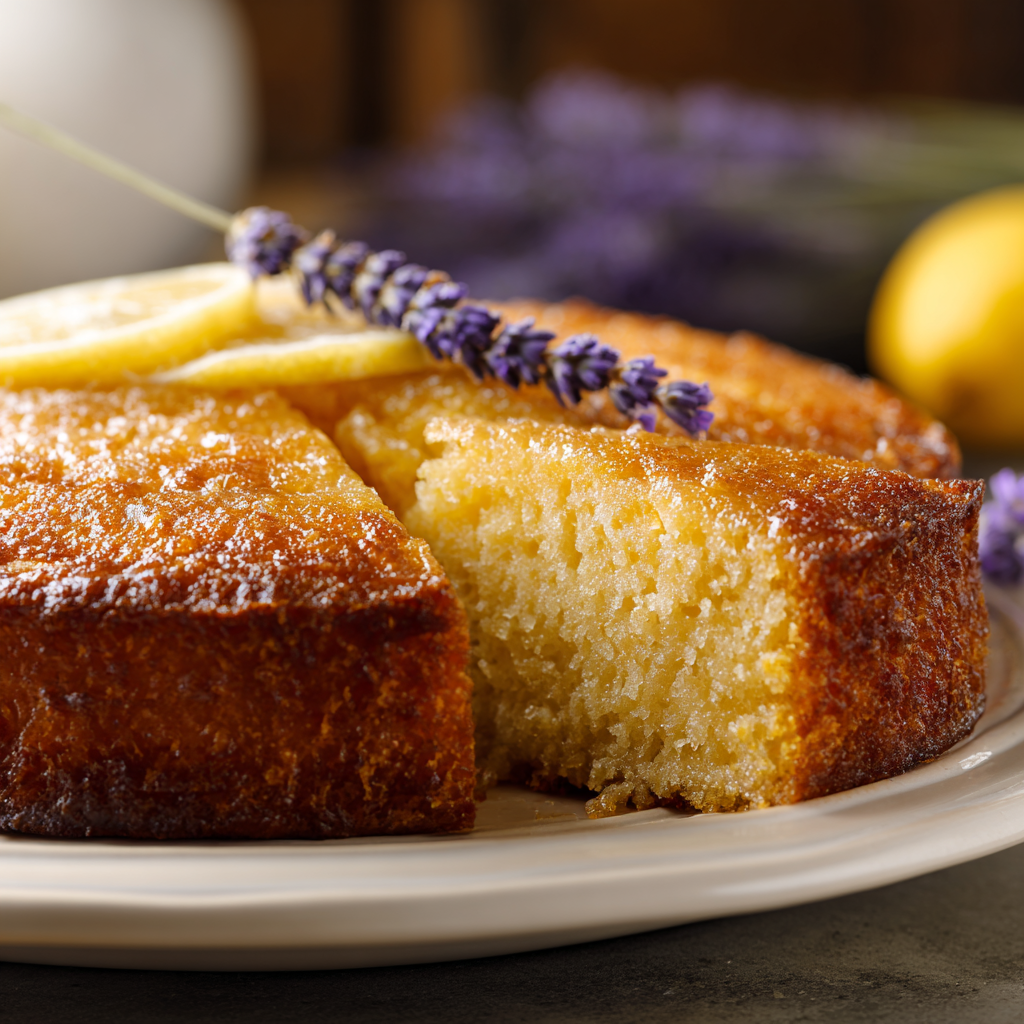
Lemon Lavender Cake
A delightful cake infused with lemon and lavender, perfect for any occasion.
checklist Ingredients
- 1.5 cups all-purpose flour
- 1 cup granulated sugar
- 0.5 cups unsalted butter, softened
- 2 large eggs
- 0.5 cups buttermilk
- 1 tablespoon fresh lavender buds
- 1 tablespoon lemon zest
- 1 teaspoon baking powder
- 1 teaspoon baking soda
- 1 teaspoon salt
- 1 cup powdered sugar
- 2 tablespoons lemon juice
- 1 teaspoon lavender extract
menu_book Instructions
- 1
Preheat your oven to 350°F (175°C).
- 2
Grease a 9-inch round cake pan.
- 3
In a large bowl, cream together the softened butter and granulated sugar until light and fluffy.
- 4
Add eggs one at a time, mixing well after each addition.
- 5
Stir in the buttermilk, lemon zest, and lavender buds.
- 6
In another bowl, whisk together the flour, baking powder, baking soda, and salt.
- 7
Gradually sift the dry ingredients into the wet ingredients, mixing until just combined.
- 8
Pour the batter into the greased pan and smooth the top.
- 9
Bake for 25 to 30 minutes, or until a toothpick inserted in the center comes out clean.
- 10
Let the cake cool in the pan for about 10 minutes.
- 11
Transfer it to a wire rack to cool completely.
- 12
In a small bowl, mix the powdered sugar, lemon juice, and lavender extract until smooth.
- 13
Drizzle the glaze over the cooled cake, allowing it to cascade down the sides.
monitoring Nutrition Facts (per serving)
Ratings & Reviews
Be the first to review this recipe!


